
Cost of Residential Air Testing in Auburn, AL
Residential air testing services in Auburn, AL typically vary in cost depending on the scope of the project, the materials involved, labor requirements, and specific site conditions. These tests are often conducted to assess indoor air quality, identify potential pollutants, or verify the effectiveness of ventilation systems. Understanding the factors that influence pricing can help homeowners compare options and plan accordingly.
Final pricing for residential air testing in Auburn, AL is not fixed and can differ based on the complexity of the testing process and the unique characteristics of each property. It is advisable to request detailed estimates that outline the scope of work, materials needed, and any site-specific considerations to ensure an accurate comparison of available services and costs.
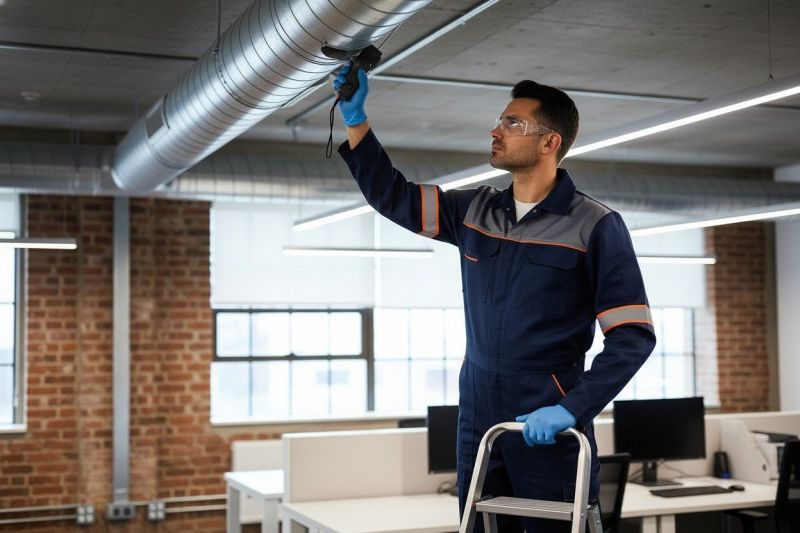
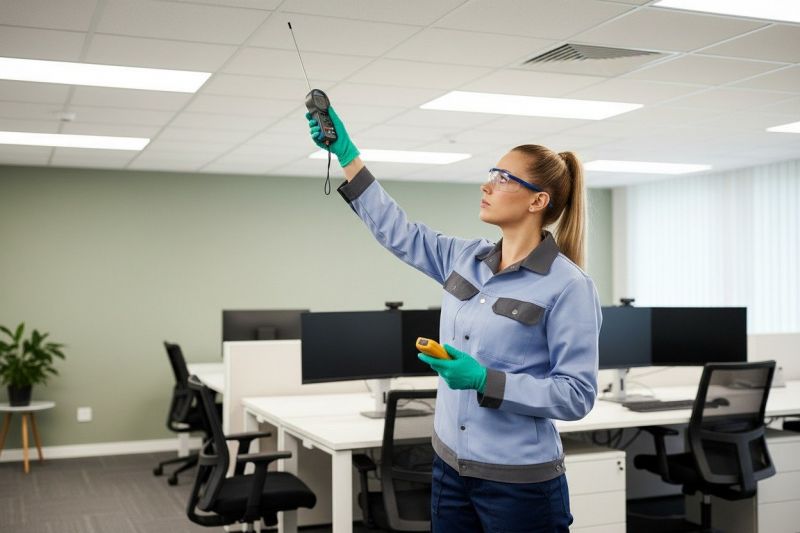
Price Range for Air Testing
$1,200 - $2,800 (smaller scope)
$2,500 - $5,000 (more comprehensive testing)
| Project Type | Typical Range |
|---|---|
| Basic Indoor Air Quality Testing | $1,200 - $2,000 |
| Comprehensive Air Testing | $2,000 - $3,500 |
| Mold Air Sampling | $1,500 - $2,800 |
| VOC Testing | $1,200 - $2,500 |
| Radon Testing | $150 - $300 |
| Post-Remediation Testing | $1,000 - $2,000 |

Material, Size, and Location Impact Costs
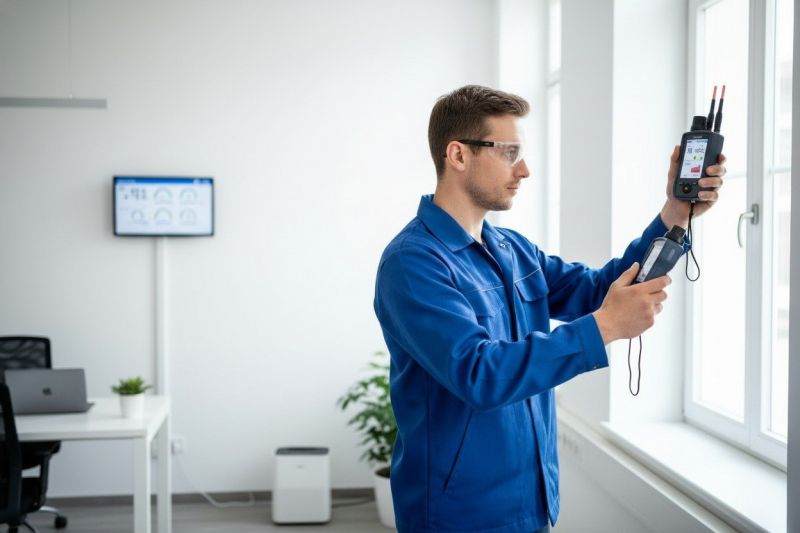
Residential air testing in Auburn, AL, involves evaluating indoor air quality to identify potential pollutants or allergens. The scope of testing can vary based on the size of the home and specific concerns, providing homeowners with valuable insights into indoor environmental conditions.
- Materials: Utilizes sampling devices and laboratory analysis to detect airborne contaminants, dust, mold spores, or volatile organic compounds (VOCs).
- Size and Scope: Can range from testing a single room to comprehensive evaluations of entire residences, depending on the home's size and homeowner concerns.
- Labor Complexity: Typically involves setting up sampling equipment, collecting air samples, and sending samples for laboratory testing; complexity varies with the number of samples required.
- Permitting: Generally does not require permits, but homeowners should verify local regulations if additional assessments or modifications are recommended based on results.
- Extras: Additional services may include follow-up testing, detailed reports, or recommendations for addressing identified issues.
Project Size and Scope Details
| Scope/Size | Typical Range |
|---|---|
| Single-family home (interior testing) | 2-4 pCi/L |
| Multi-family residence (interior testing) | 2-4 pCi/L |
| Attic and crawl space testing | 1-3 pCi/L |
| Basement testing | 2-5 pCi/L |
| Post-remediation testing | Below 2 pCi/L |
In Auburn, AL, indoor radon levels can vary based on home construction and local geology, making testing an important step for residential safety.